From Principle to Practice: Making Person-Centred Cancer Care Real in Chronic Lymphocytic Leukaemia (CLL)
No patient is exactly like another. If cancer care is to become truly person-centred, our systems, tools and conversations must reflect that reality.
All.Can’s approach to person-centred cancer care is grounded in a clear principle: cancer systems should reflect what matters most to people with cancer and their loved ones, while using resources more effectively. This requires looking beyond individual interventions to assess whether care pathways enable timely access, clear communication, shared decision-making and outcomes that matter to patients.
This is especially important in CLL, where treatment choices are increasingly complex and every patient’s journey is different.
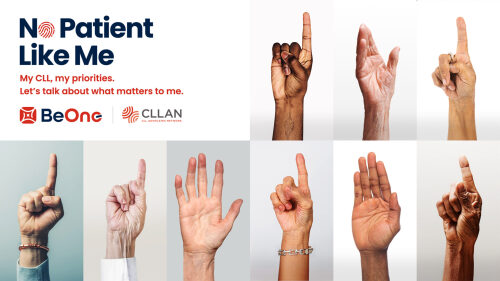
The No Patient Like Me initiative – developed by BeOne Medicines in collaboration with the CLL Advocates Network – offers a practical example of how the principles promoted by All.Can can be translated into disease-specific action: listening to patients, understanding their preferences and supporting more meaningful conversations between people living with cancer and their healthcare teams.
Listening first: understanding what matters to patients
A central message from All.Can’s person-centred cancer care work is that improving cancer care starts with understanding where people experience gaps, delays, poor communication or insufficient involvement in decisions. No Patient Like Me reflects this approach by exploring the priorities people living with CLL value when considering treatment options. Through patient insights, data review and AI-enabled semantic analysis of online patient conversations, the initiative uncovers the real-world patient priorities and the factors that influence their choices.
These insights reveal an important reality: while clinical efficacy and safety remain fundamental, patients also consider quality of life, daily routines, confidence in long-term disease management and their involvement in decision-making. Recognising these priorities is essential to ensure that cancer care is not only scientifically advanced, but genuinely person-centred.
From listening to patient voice to shared decisions
Shared decision-making is one of the practical ways in which person-centred care becomes real. It helps ensure that care decisions are not based only on clinical evidence, but also on a person’s values, goals, daily realities and priorities. In CLL, this means supporting conversations that go beyond treatment labels and technical comparisons, enabling patients to understand their options, ask informed questions and discuss what matters most to them with their healthcare team.
The development of practical tools and educational resources can help support these conversations. Patient-facing materials, healthcare professional discussion guides and communications that reinforce individualised care can contribute to the type of cancer pathway All.Can advocates for: one where people are equipped to participate fully in treatment decisions, where care is better aligned with their needs and with better use of available resources.
The CLL experience reflects a broader challenge in oncology. As many cancers become conditions that people live with and manage over time, care systems must move beyond disease-centred models and respond more effectively to each person’s needs, preferences and life circumstances. This shift can improve patient outcomes and experiences while enabling health systems to use resources more effectively.
Learn more about No Patient Like Me: https://beonemedicines.com/patients/no-patient-like-me/
Explore the CLL Advocates Network resources: https://www.clladvocates.net/no-patient-like-me/